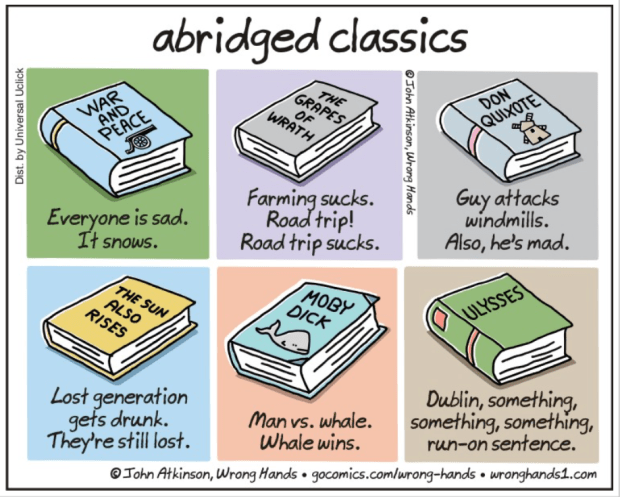
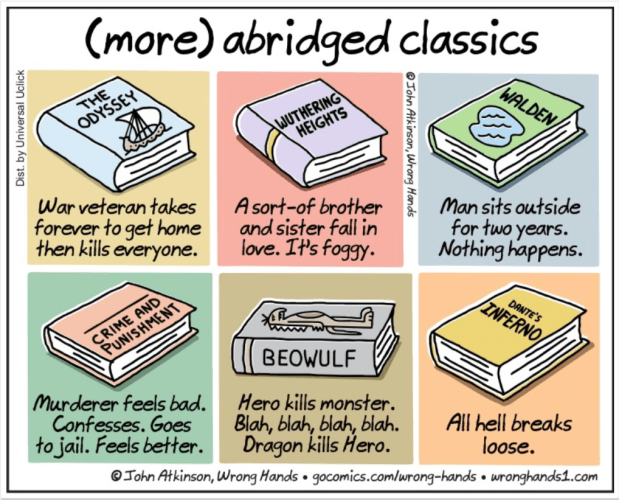
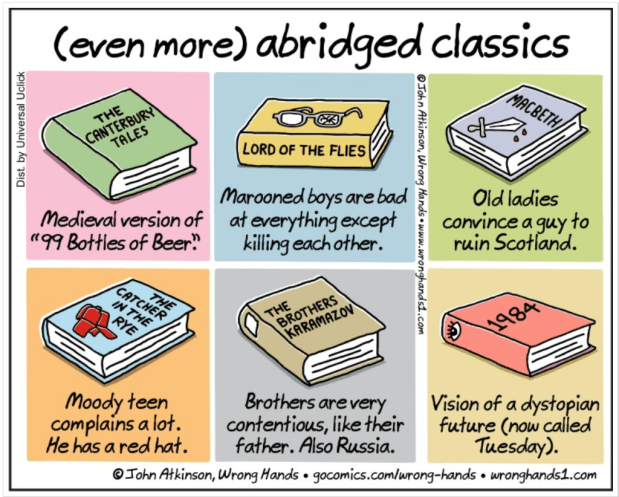
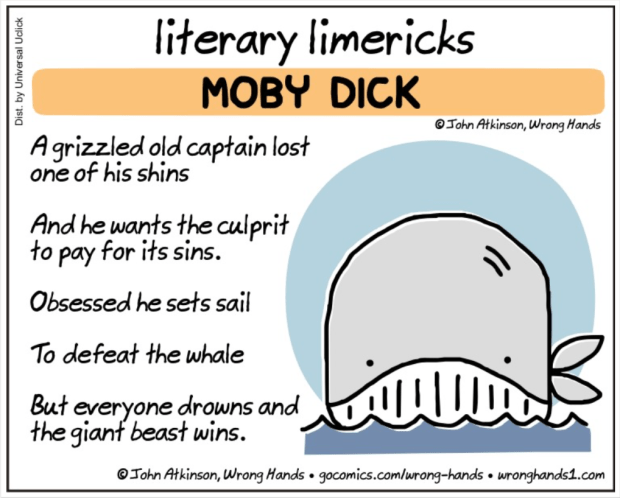
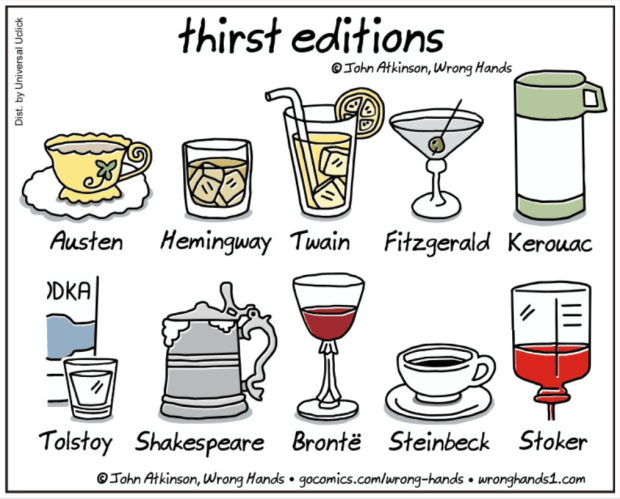
Hilariously Abridged Classic Works of Literature by John Atkinson

Screen Shot 2018-07-01 at 1.00.10 AM


Screen Shot 2018-07-01 at 1.00.42 AM


Screen Shot 2018-07-01 at 1.00.58 AM


Find more hilarious comics from John Atkinson at WrongHands1.com!

Follow John Atkinson on Facebook and Twitter!

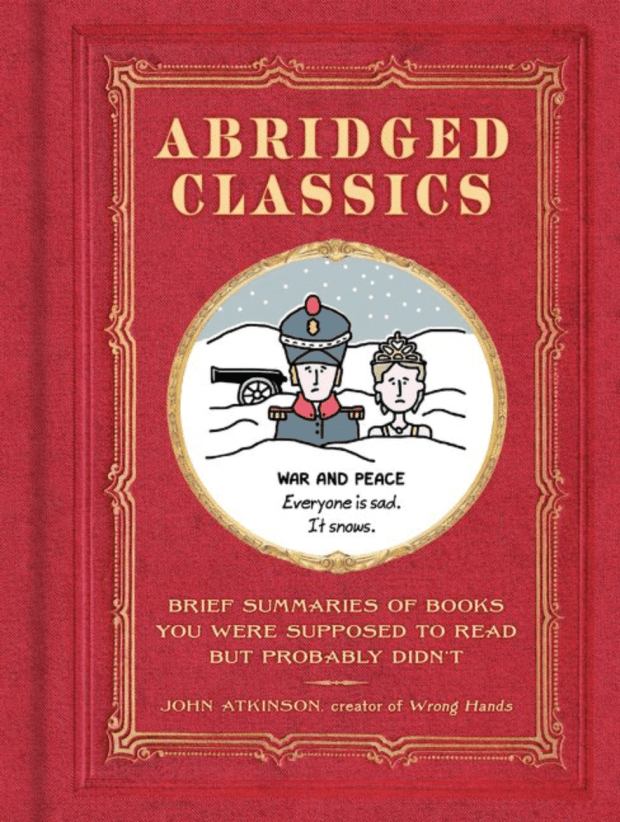
Hurry and purchase the hardcover release (June 5, 2018) of Abridged Classics: Brief Summaries of Books You Were Supposed To Read But Probably Didn’t for just $10.98! Or get the Kindle edition for just $12.99!


Screen Shot 2018-07-01 at 1.04.52 AM.png


BONUS COMICS!

Screen Shot 2018-07-01 at 12.48.46 AM.png

Screen Shot 2018-07-01 at 12.47.54 AM

P.S. This post contains affiliate links.


SaveSaveSaveSaveSaveSaveSaveSave

Should You Count Audiobooks Toward Your Reading Goals?

“Should I count audiobooks toward my reading goals?”

Want to start an argument? Enter a book-related space and ask this question.

Let’s start with the yea-sayers.

“I have a long commute to and from work. Instead of that time being wasted, now I can use it to read.”

“I’m so busy with my kids and my job. Listening to audiobooks while doing chores is a simple joy of mine.”

Yasss. We are all busy, myself included. Any time that I can fit in a story is a win in my book (pun intended). Listening to audiobooks while doing otherwise mundane activities makes said activities so much more exciting and worthwhile. That’s why I love those Audible ads so much. #StoriesThatSurroundYou

This guy isn’t sitting at his kitchen table eating breakfast; he’s a guest in Marie Antoinette’s court. This woman isn’t on her couch, folding laundry; she’s a fair heroine standing in a forest, wrapped in the hero’s strong embrace.

If I know that I can listen to a great story while doing chores, I’m gonna look forward to those chores that much more. (Bonus: since discovering audiobooks, my house is cleaner!) I’ll be honest: sometimes, I get so caught up in the story, I have to stop what I’m doing and just stand there and listen. Alternatively, my mind does sometimes get away from me, and I have to press the rewind button. Still, it’s worth it to be able to get sucked into an amazing story while I’m doing dishes, or during my commute.

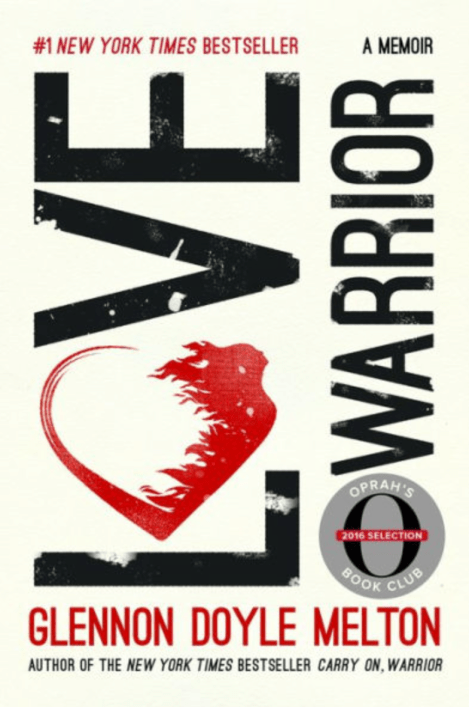
Note: The only time that this can be a problem is if a book is so powerful that it makes you cry. This happened several times with Glennon Doyle Melton’s Love Warrior. I was listening to it on my way to and from work everyday (a fifty-minute round-trip). One day, I actually had to pull into a gas station, turn off the book, wipe my eyes, and gather myself together before I could continue driving.

Screen Shot 2018-07-04 at 11.59.20 AM.png

Now. The naysayers.

“I can’t concentrate on audiobooks. My mind wanders.”

This is valid. Just the other day, I was listening to The Book of Essie by Meghan MacLean Weir on audiobook while driving to an appointment. Sure enough, I got drawn into the book and ended up missing the turn, thus arriving a few minutes late.

I love listening to audiobooks while driving, but usually only when the drive is familiar and/or monotonous. Like when I’m on my way to and from work, a route that I drive everyday and can pretty much do in my sleep. Or on long road trips, when the highway is stretched out before me and I don’t have to worry about taking an exit for many miles. But I have definitely been known to place my book on pause when I’m driving through heavy traffic or trying to navigate an unfamiliar area. (Except for that one time, as mentioned above.)

Screen Shot 2018-07-04 at 12.00.23 PM.png

“I would rather imagine the voices in my head.”

Also valid. It’s the same reason that movies are rarely better than the books, because what you can imagine in your head is almost always better than whatever Hollywood can create on a screen (or in a recording studio).

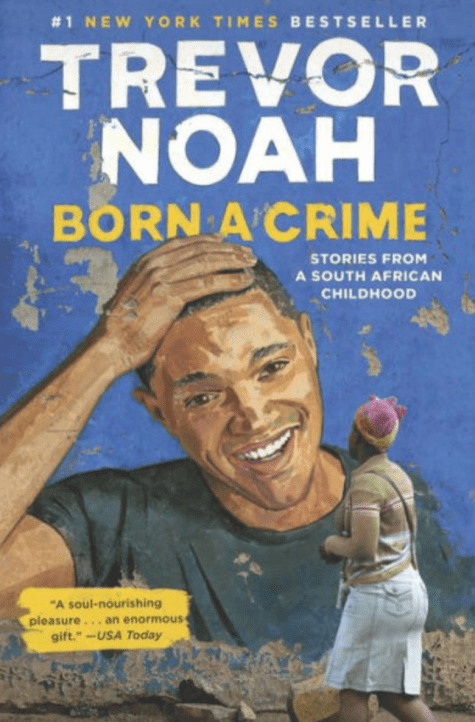
But, in audiobooks’ defense, the authors often do different voices for their characters. It was a joy to listen to Trevor Noah imitating his great-grandmother in his memoir Born A Crime: Stories From A South African Childhood, his voice high-pitched and raspy. Alternatively, in The Book of Essie, the story is told by three different characters. As such, the audiobook utilizes three different narrators, which lent another kind of intimacy to the experience.

Screen Shot 2018-07-04 at 12.01.10 PM.png

Of course, it can go the other way, and the narrator can be terrible. Unfortunately, I have found that this often happens when the author reads his or her own book. (Not always. There are lots of authors who are great readers, such as Glennon Doyle Melton and Neil Gaiman!) An example of this is the original audiobook version of Michael Cunningham’s Pulitzer Prize winning novel The Hours, narrated by the author. (Note: a new version is being released on August 2, 2018 from BBC, with a full cast dramatization, which you can pre-order now for just $7.63!) It wasn’t absolutely horrible, but his voice didn’t draw me in. I would have much preferred a livelier reader, perhaps someone who actually does this for a living.

 Screen Shot 2018-07-04 at 12.02.18 PM.png

“I don’t consider that reading.”

Um. What?! So what if all that someone can do is listen to a book? What if someone is blind? Or a quadriplegic? Just because they cannot hold a book in front of them and use their eyes to read from it, doesn’t mean that what they are doing is not reading. To not consider audiobooks a form of reading comes from a place of ableism and privilege. You may be privileged enough to have time to sit down and read from a book, but not everyone has that luxury. What about the single mother who loves literature but works two jobs, and the only time she can fit in any reading time is while doing dishes and laundry? What about the elderly man who used to devour paperbacks voraciously, but whose eyesight has deteriorated so much that he can barely see to read anymore, and for whom audiobooks have been a godsend?

I proudly count audiobooks toward my reading goals, and I count myself lucky to live in an age in which audiobooks are available to those who would otherwise not have the opportunity to read a book at all.

Do YOU count audiobooks toward your reading goals? Why or why not? Share your opinions in the comments!

For more book reviews, publishing news, ebook deals, and giveaways, click here!

P.S. This post contains affiliate links.

Since When Did Book Clubs Get So Wine-y?

When I think of book clubs, I think of two things: women and wine.

The movie poster of Book Club, the 2018 film starring Diane Keaton, Candice Bergen, Jane Fonda, and Mary Steenburgen, features the four women against a clean, white background, their equally white table populated by bowls filled with salad and glasses filled with equally white wine. David Sims with The Atlantic even calls it a “delightful, white wine-soaked romp.”

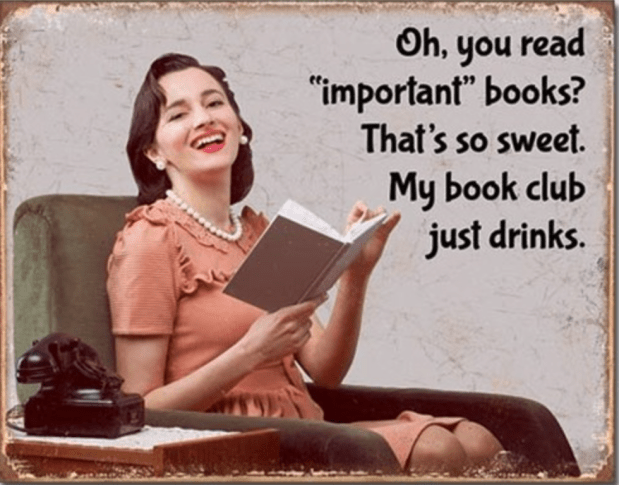
A quick search of the words “book club” on Pinterest produces a myriad of images depicting women sipping wine. The same search on Etsy yields wine glasses, and even candles (fashioned from the bottoms of  recycled wine bottles, natch), emblazoned with the slogan: “My book club can out drink your book club.”

There’s no shortage of Internet articles celebrating the conflation of book clubs with wine drinking, like this one from Bustle, entitled, “9 Book and Wine Pairings That Are Perfect For A Boozy Book Club.” A different Bustle article asks, “What’s a book club without a glass of wine or three?” Even Better Homes & Gardens proclaims, “There’s nothing better than having a book club discussion over a few glasses of wine with your closest friends.”

Screen Shot 2018-06-07 at 9.04.44 PM.png

Image courtesy of ASimplerTime.com

Since when have book clubs been so obsessed with drinking? Well, basically since their invention, according to Charles Shillito’s 18th century poem “The country book-club.” He said clubs are “scenes…with minds less polished, but with lungs more loud” where men were able to “taste the sweets of literature—and wine.” The emphasis there is Shillito’s.

And wine, even in 2018, is still at the center of these (supposedly) literary gatherings. Not that I have a problem with wine. I don’t. The trouble for me, though, is that we’re not calling it a wine night. We’re calling it a book club.

In our society, a woman is shamed for taking time for herself. That is changing, with the ever-present mantra of “self care” popping up all over the place, in which women are advised to take personal time to care for their own physical and mental well-being. With that in mind, what’s so wrong with women getting together for an hour a week to relax and have a few glass of chardonnay with the gals? Nothing. But I fear that, because a woman is allowed so little time for herself, she may feel the need to make the most of it during her book club time. She spends the week waking up at dawn, getting the kids ready for school or daycare, working 9 to 5, picking the kids up, making dinner, cleaning the house, emotionally fulfilling her husband, going to sleep much later than she’d intended, and then doing it all over again. This may look like a crude snapshot of life for women from decades past, but it’s still the reality for many women in 2018. And even if a woman doesn’t have children, the snapshot doesn’t especially change.

In short, the woman is responsible for the emotional labor of a relationship, and that’s exhausting. So, when she gets a night off, she wants to loosen up by drinking and socializing with friends (which she hardly ever gets to do).

But that’s not the purpose of a book club. A book club is for education, for discussion of intellectual ideas. Which, of course, isn’t as fun or as relaxing. And after the full-time job she’s worked at all week (where she most likely isn’t paid as much as her male coworkers for equal work), not to mention the emotional labor she’s performed all week by managing her husband and household, she doesn’t want to perform yet another chore of exercising her mind. In fact, she wants to put her mind on mute.

This isn’t fair to women. It isn’t fair that they barely have the time to read a book, let alone get together once a week to discuss it. It isn’t fair that women feel like they can’t create intellectual spaces for themselves, simply because they are too exhausted. Because women don’t want to call it a wine night or a ladies’ night. That sounds trivial. That sounds like a reason to neglect their husbands. But a book club? That’s intellectual. That’s education. That is a woman improving herself, which isn’t really “wasted” time, the way a bubble bath or a Girls’ Night Out would be.

What women need are both: a place to relax with wine, and a place to discuss intellectual ideas. There’s no reason that these two things can’t exist together; it’s just that they seldom do. It’s not an uncommon opinion that the best book clubs have a no drinking policy. Personally, I don’t think that that’s necessarily true. However, I do think that the best book clubs have a structure, and probably a discussion leader. Therefore, a book club is just one more thing on a woman’s to do list, after picking dirty laundry up off the floor, planning meal nights for the week, and reminding her husband for the fourth time to call his mother because today is her birthday.

It shouldn’t be like that. Women shouldn’t be in charge of 99% of the household management. It’s not fair. And that’s what we need to work on: making sure that women aren’t so tired from all that B.S. described above, that they are unable—or unwilling—to sit down for an hour to attend a book club discussion. And THEN maybe go out for a glass (or three) of wine.

What do you think? Why are book clubs so wine-y? What makes a good book club? Comment your thoughts below!

For more book reviews, publishing news, ebook deals, and giveaways, CLICK HERE!